


 April
30,
2026
April
30,
2026

Use these tips for a smoother transition.
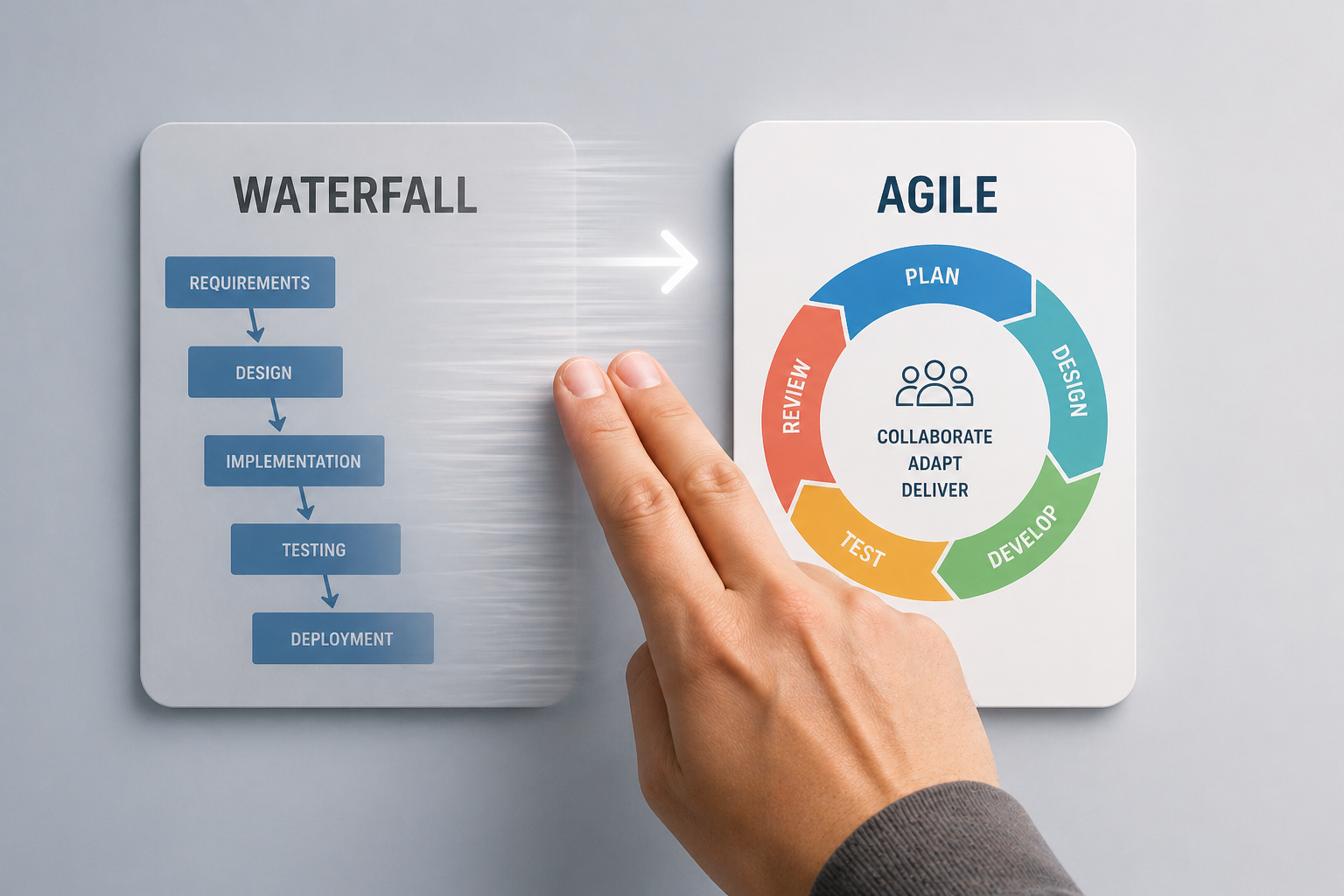
IT departments continue to make the move from Waterfall to Agile. Most companies cite reasons like speed (getting usable product in the hands of users faster), flexibility (navigating changing requirements), and collaboration (close — often daily — interaction between the business and developers).
Agile has proven its value, but the transition is often difficult. We want to help you anticipate and navigate these common challenges.
Budget
 Executives are used to funding projects with a finite start, end, and clear ROI. Agile doesn’t work that way.
People love safety and familiarity. The powerful urge to stay with Waterfall practices can get companies stuck in a “Wagile” way of working, where Initiatives are funded in a traditional Waterfall project way and executed in Agile. This can be a recipe for disappointment. Priorities might change or the original scope might no longer be viable, in which case the budget doesn’t match the work.
Organizations should fund their Agile teams by product. For example, a product might be a particular platform, or a set of processes tied to customer experience.
Funding by product allows companies to quickly shift funds between opportunities within a product without a heavy administrative burden. And resources often have more flexibility to move from one scrum team to another, or work across teams within the product.
Misaligned Customer Expectations
 The business naturally wants ALL the functionality…not an initial minimum viable product.
Be clear with the business on what to expect. Describe the difference between Agile — giving them a workable product up front (with incremental adds in functionality) and Waterfall — a long project with one big product at the end.
Getting the Right People on the Team
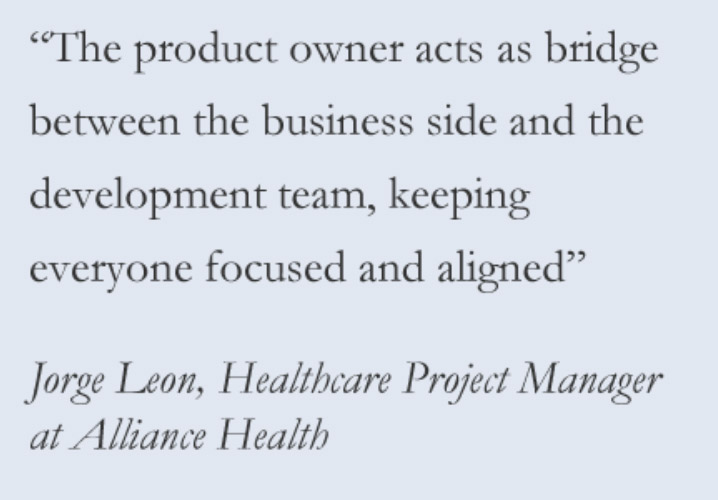 All Agile Scrum Team roles are important. However, having the right Product Owner is critical.
The Product Owner must have their finger on the pulse of the business and serve as an accurate voice of the customer. The Product Owner clarifies what is most valuable and provides direction to the scrum team.
Without the right Product Owner, product releases might fall short of expectations and the business could lose patience with the product. Then, it’s only a matter of time before your product funding is on shaky ground.
Resistance to the Release Process
Resistance to change is common, no matter what the change is. In the case of Agile initiatives, stakeholders must adopt both a new product and a new go-live experience.
We recommend you make the change feel Familiar, Controlled, and Successful.
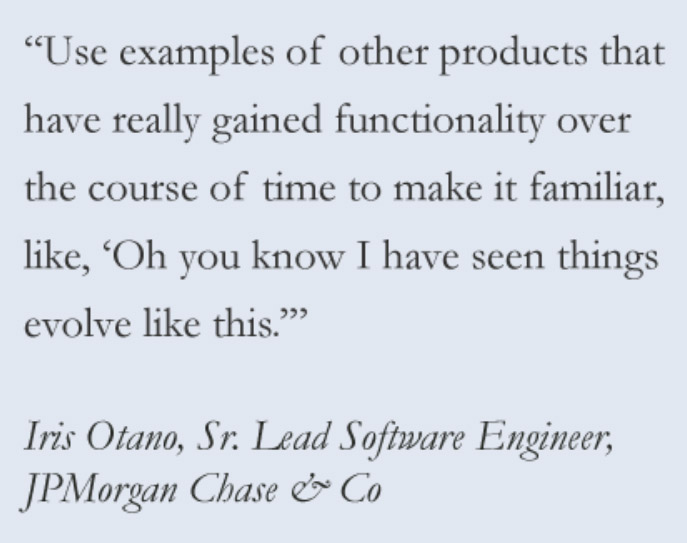 While Agile may be new, the concept of a product improving and gaining functionality over time will be familiar. Remind users that they have seen this before. Example: The iPhone. The original iPhone had only 16 GB of storage, had no GPS sensor, and did not have apps! Compare that to what the current iPhone does. Apple rolled out additional functions over time.
Give stakeholders a sense of control. Explain the Agile process in a simple way; that will make it feel predictable. Make sure the business knows they will have input on product backlog priorities.
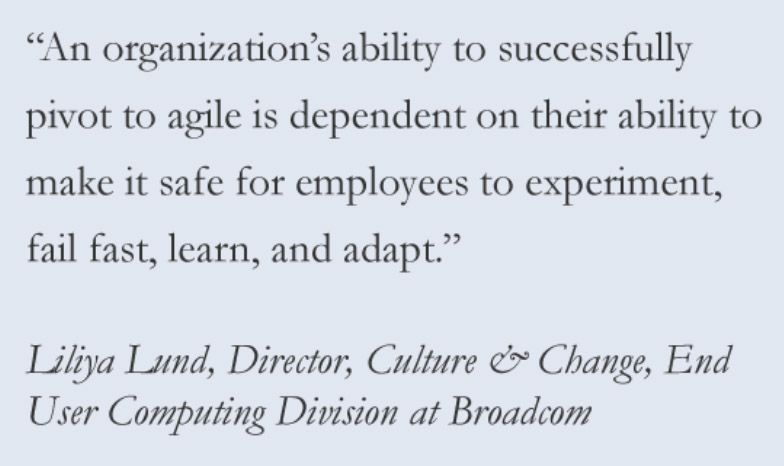 Highlight signs of success. Example: Tell stories about how a particular user or persona got value from an early release. Engineer momentum for the product by creating and talking about small wins.
Applying Traditional Change Management
Many change methodologies are time-based — built around a traditional Waterfall project lifecycle. Project teams map change activities and interventions to discrete, sequential phases like discover, design, build, test, and deploy.
This won’t work in Agile, where the team delivers incremental value through iterative development (sprints), collaboration, and flexibility in response to changing requirements. Functionality is delivered in product releases.
That means Change Leads must work at both the product and release level.
- At the Product Level, Change Management delivers messages about the “why,” high-level benefits, impacts, and expectations.
- At the Release Level, Change Management teaches and prepares end users for specific products and product changes.
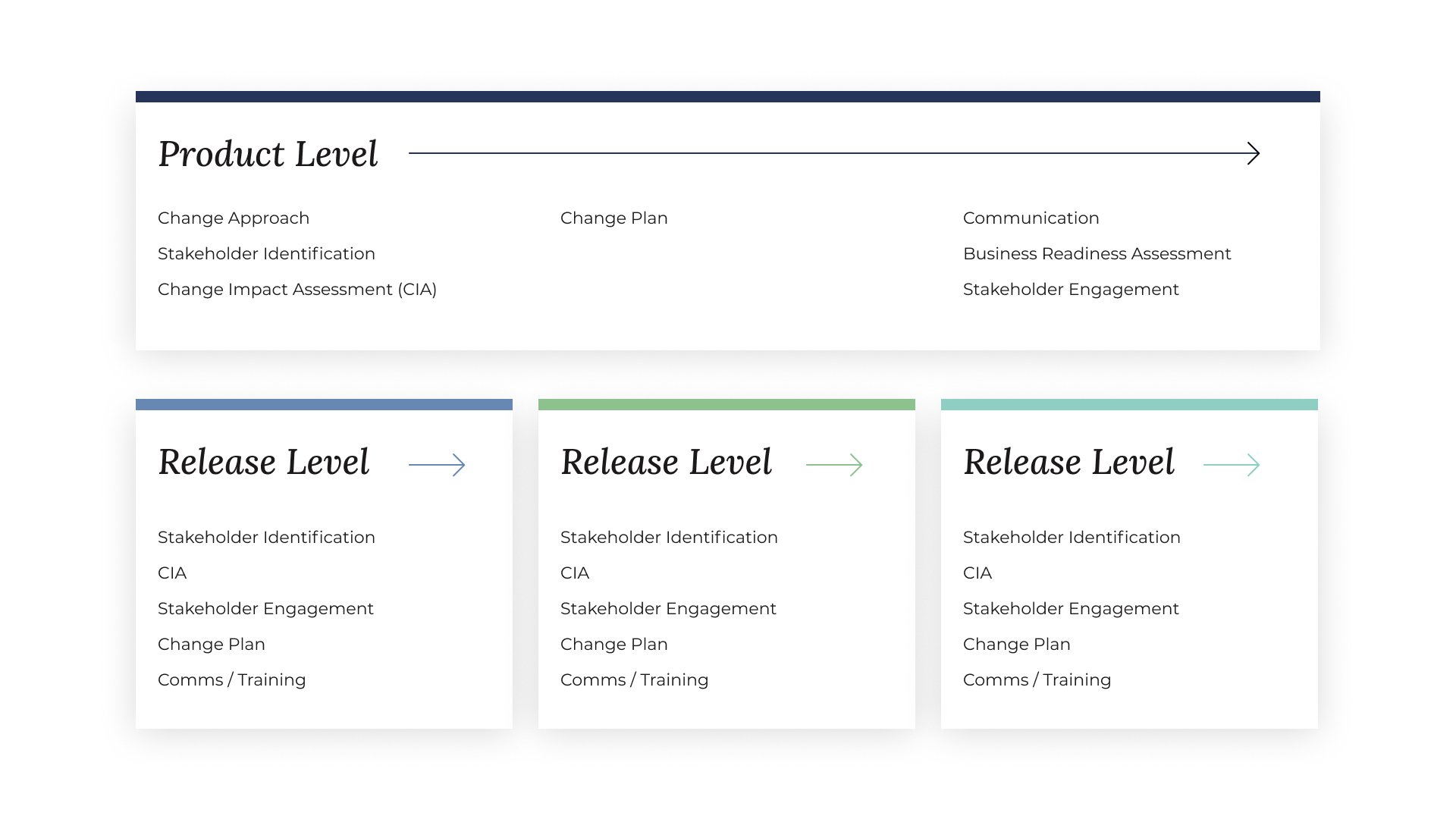 Management must adapt to Agile, and not only to sync with the system development team. Managing change in this way has benefits for stakeholders. As we engage and communicate at the Release Level, we get specific about local impacts, logistics, and the work, before-and-after. Concurrently, we engage and communicate at the Product Level, keeping stakeholders focused on the big picture benefits and future of the organization. It’s a better way to help stakeholders experience the “why” with the “how.”
Agile has proven to be effective for many companies, and the transition away from Waterfall continues. Go forward with the move but anticipate the challenges up front. Put the right mitigating strategies in place so that you can successfully manage the change — with product end users and throughout your organization.
Download our quick reference guide to keep these principles in mind.